


Posted by Faryad Fidaee
09 Sep, 2025
Whispers of the Mountain
It was a night of silence and serenity. The sky shimmered with stars, scattered across the black velvet like tiny silver sparks. Inside the mud-brick homes of the village, life carried on in its gentle rhythm. Families sat cross-legged around round wooden trays, sharing warm bread and steaming stew. The fragrance of the mother’s cooking, the father’s quiet laughter, the children’s giggles—all painted a picture of peace.
After dinner, the children, tired from playing, nestled into their bedding. Mothers carefully laid out school uniforms for the next morning and packed small lunches, then finally rested themselves. The elders, true to tradition, told old stories and passed down memories as if tomorrow was guaranteed. It was a night like countless others—calm, ordinary, safe.
But peace is always fragile.
High up in the mountains, something ominous stirred.
Around four o’clock in the morning, a shepherd named Wasiyat Khan kept watch over his flock on a rocky slope. His life belonged to these mountains, to the goats and sheep that followed him faithfully. Yet this night carried a strange tension. The air was too still, too heavy. The winds, instead of soothing, whispered unease.
Suddenly, a low rustle reached his ears. It wasn’t the sound of leaves or branches. It was deeper, like the earth itself shifting, like the heart of the mountain cracking open. His goats grew restless, bleating in panic, their eyes glinting with fear. Wasiyat’s heartbeat quickened, thundering in his chest.
He pulled out his phone and switched on the torch. The narrow beam of light cut through the darkness, but all he saw was shadows and mist thickening across the peaks. The silence was suffocating, broken only by the frantic cries of his herd.
Then it hit him.
The glacier… it was moving. And not just moving—collapsing. A monstrous wall of ice and stone, ready to crush everything below.
Panic surged through him. His legs trembled, his hands shook. He stumbled from one side to the other, desperate to find a signal. In these mountains, a single bar of service was like a blessing, rare and unreliable. The freezing air bit his skin, but fear burned hotter inside him.
At last, a flicker of signal appeared. He dialed one villager. No answer. Another. No answer. He tried again and again—four numbers, four failures. His throat tightened, his eyes blurred. Should he run himself? Should he abandon the call and warn them in person?
And then—the phone rang back.
A familiar voice, half-asleep, answered:
“Wasiyat bhai? Is everything okay? Why are you calling so late?”
Wasiyat’s breath shook as he shouted,
“The glacier is breaking! Wake everyone up! Take the children, run from the houses—run now before it’s too late!”
The words cracked through the stillness like lightning.
In the mud-brick homes below, chaos erupted. Doors slammed open. Mothers rushed to wrap their children in blankets and carried them into the freezing night. Fathers pulled at ropes, trying to salvage what they could—blankets, a pot, a piece of bread. Old men grabbed their walking sticks, trembling but determined to keep up. The air filled with shrieks, sobs, and hurried prayers.
And then—it came.
The mountain roared. A deafening, earth-shaking thunder rolled down the valley. The ground itself seemed to cry out. From the heights above, a colossal torrent of ice, rocks, and mud descended like a furious beast. The sound was as if cannons, a thousand at once, had torn the night apart.
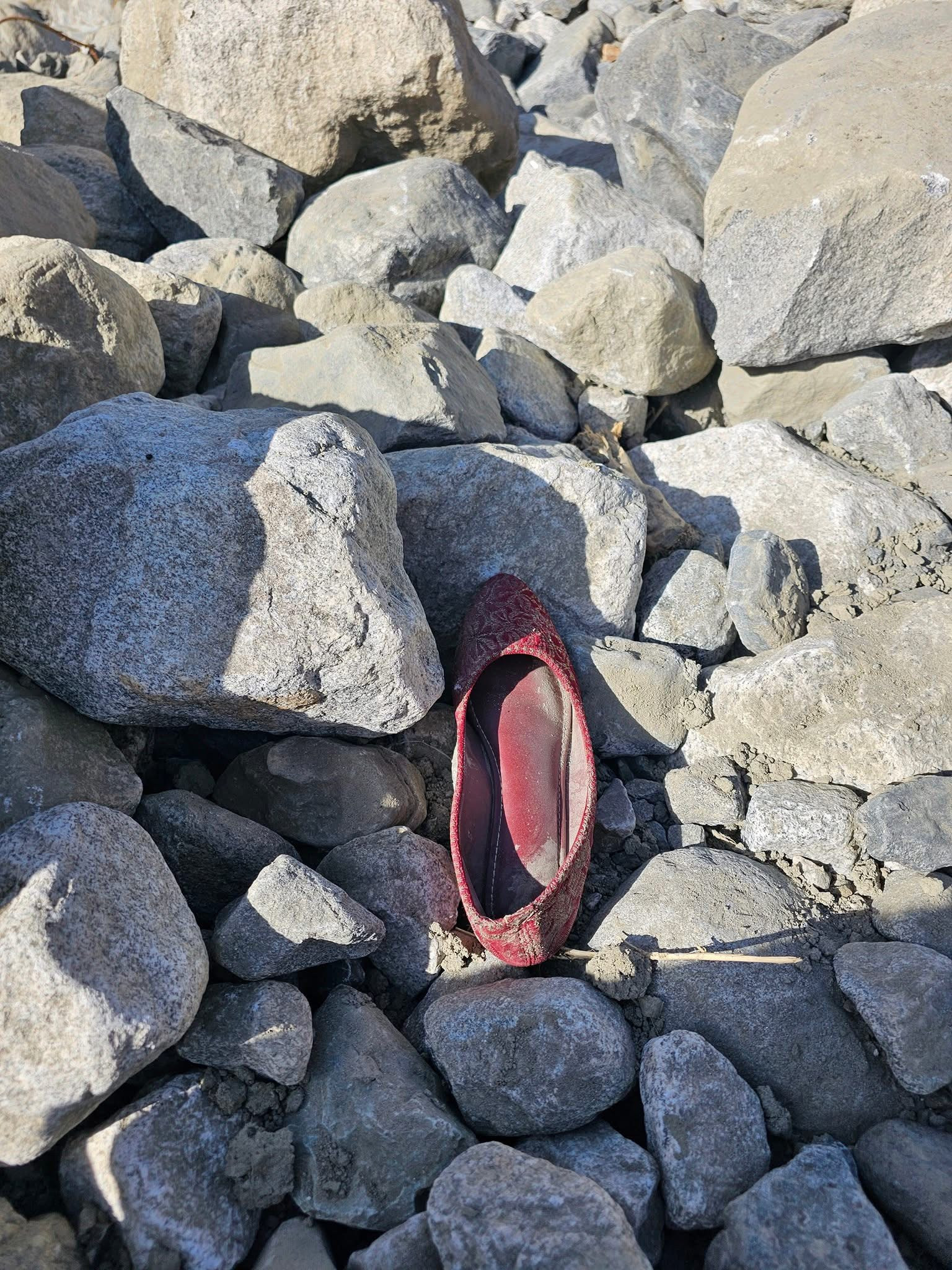
The villagers, clambering up the hillside, turned back to see their world unravel. Fields that yesterday swayed with crops disappeared under waves of sludge. Homes, the walls built with years of toil, collapsed like toys. Goats, cattle, and even the small school building were swallowed in an instant.
From the ridge, Wasiyat Khan stood frozen. His chest ached with grief, yet relief flickered in his eyes—because they were alive. His warning had reached them in time.
When dawn broke, the valley was unrecognizable. Where once there had been homes, paths, and laughter, there was now only a wasteland of mud and stone. Children clung to their mothers’ shawls, sobbing:
“Amma… where is our home?”
The mothers, with tears they could not hide, whispered, “We are safe, my child. We are alive.” The old men stood silently, staring at the wreckage of their life’s work, their faces carved with sorrow but also gratitude.
Wasiyat sat alone on a rock, the cold morning air biting at him. Half his herd had vanished, carried away by the flood. Yet in his heart, he knew he had done what mattered most—he had saved his people.
This was no ordinary flood. This was the terror of a glacier breaking in the mountains of Ghizer, in the village of Roshan, Gilgit-Baltistan—a tragedy that spared lives but left hundreds homeless, forced to sleep under the open sky, with nothing but their courage and each other to rebuild their world.
Whispers of the Mountain