



Posted by Hania Batool
30 Aug, 2025
What caused the recent historic flooding across Punjab
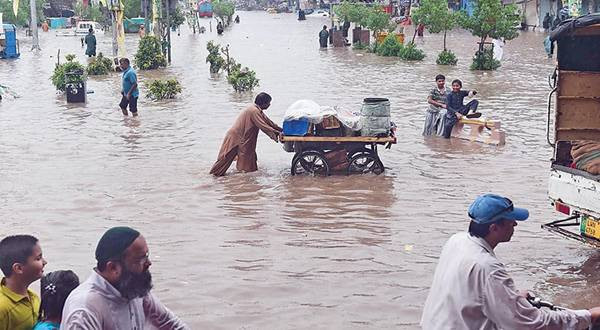
What caused the recent historic flooding across Punjab, and what lessons can we learn to better prepare in the future?
A discussion aimed at exploring how climate change, heavy monsoon rains, dam releases, and poor infrastructure contributed to the floods, and what preventive measures can strengthen resilience.
What caused the recent historic flooding...

Faryad Fidaee
02 Sep, 2025
The catastrophic flooding across Punjab was primarily triggered by exceptionally heavy monsoon rains, which pushed the Ravi (Darya Ravi) and other major rivers into super flood levels, leading to widespread flood emergencies. Simultaneously, upstream dam operators in India—particularly at the Thein (Ranjit Sagar) Dam and Madhopur headworks—released large volumes of water without sufficient advance notice, causing sudden surges downstream. This combination of relentless rain and abrupt dam water release overwhelmed riverbanks and embankments, flooding low-lying neighborhoods and agricultural land. In Park View City Lahore, despite a major protective embankment, rising waters from Darya Ravi broke through in some sections, leading to rapid inundation of blocks such as Diamond, Overseas, and Platinum. Emergency evacuations and relief camps were swiftly enacted. Overall, climate-driven intensifying monsoon patterns, infrastructure failures at headworks, and uncontrolled dam releases collectively caused this historic flood crisis in Punjab
Faryad Fidaee
Faryad Fidaee
Naseem Sanwal
08 Sep, 2025
This tragic flooding in Punjab highlights how climate-driven extreme monsoons, combined with sudden dam water releases and embankment failures, can devastate entire communities. It shows the urgent need for better cross-border water management, stronger infrastructure, and climate resilience planning to prevent such disasters in the future.
Naseem Sanwal
Naseem Sanwal